
|
Name:
Housing
|
|
|
Version:
14.3.6
|
Price:
Free
|
A Comprehensive Guide
In the digital age, where smartphones have become an integral part of our daily lives, the real estate industry has also embraced technology to streamline processes and enhance user experience. Housing apps, in particular, have revolutionized the way people search for, rent, buy, and manage their properties. These platforms offer a convenient, accessible, and often more efficient alternative to traditional methods of property search and management. In this article, we delve into the world of housing apps, exploring their brief history, key features, advantages, and potential drawbacks.
Brief Overview
Housing apps are mobile applications designed to cater to various aspects of the real estate market, from property listing and search to rental agreements, mortgage calculators, and even virtual tours. They have gained immense popularity in recent years, driven by the increasing demand for convenient and accessible real estate services. With just a few taps on a smartphone, users can now browse through thousands of properties, compare prices, and even schedule viewings, all from the comfort of their homes.
Key Features of Housing Apps
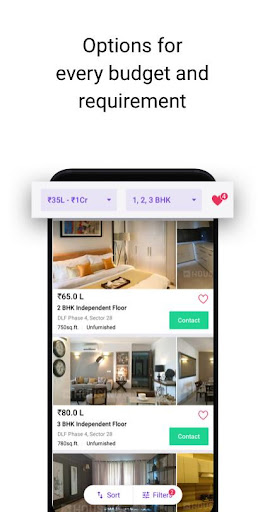
Comprehensive Property Listings: Housing apps typically feature a vast database of properties, including apartments, houses, condos, and commercial spaces. These listings are often accompanied by detailed descriptions, photos, and sometimes even virtual tours, providing users with a comprehensive understanding of each property.
Advanced Search Filters: To make the property search process more efficient, housing apps offer advanced search filters. Users can narrow down their options based on location, price range, number of bedrooms, amenities, and other criteria, ensuring that they only see properties that meet their specific needs.
Interactive Maps: Many housing apps integrate interactive maps, allowing users to visualize the location of properties in relation to their desired areas of interest, such as schools, parks, or public transportation. This feature is particularly useful for those who are unfamiliar with a particular neighborhood.
Communication Tools: To facilitate communication between buyers/renters and property owners/agents, housing apps often include messaging or chat features. This enables users to ask questions, request additional information, or schedule viewings directly through the app.
Mortgage Calculators and Financial Tools: Some housing apps go beyond property listings, offering financial tools such as mortgage calculators. These tools help users estimate their monthly payments, compare loan options, and plan their budgets more effectively.
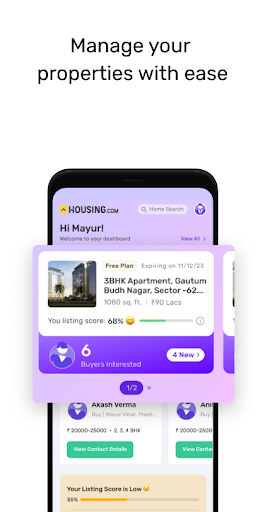
Rental Management Features: For landlords and property managers, housing apps can also serve as a powerful tool for managing their rental properties. Features like online rent collection, tenant screening, and maintenance request tracking can streamline operations and improve efficiency.
Advantages of Housing Apps
Convenience: The biggest advantage of housing apps is their convenience. Users can search for properties, communicate with agents, and even sign rental agreements all from their smartphones, eliminating the need to visit multiple locations or make numerous phone calls.
Accessibility: Housing apps provide 24/7 access to property listings, making it easier for users to find properties that fit their schedules. Whether it's during lunch break or late at night, users can browse listings and take action whenever it's convenient for them.
Efficiency: Advanced search filters and interactive maps make the property search process more efficient, enabling users to quickly narrow down their options and find properties that meet their specific criteria.
Cost Savings: By eliminating the need for physical visits and reducing the reliance on traditional advertising methods, housing apps can help both buyers/renters and sellers/landlords save money.
Increased Transparency: Housing apps often provide detailed information about properties, including photos, descriptions, and even reviews from previous tenants or buyers. This increased transparency helps users make more informed decisions.
Potential Drawbacks of Housing Apps
Information Overload: With so many properties listed on housing apps, users can sometimes feel overwhelmed by the sheer amount of information available. This can make it difficult to narrow down options and make a decision.
Inaccuracy of Listings: While most housing apps strive to provide accurate information, there is always a risk of inaccuracies or outdated listings. This can lead to frustration and wasted time for users who are interested in a particular property only to find out that it's no longer available or that the information provided is incorrect.
Lack of Personalized Service: While housing apps offer convenience and accessibility, they can sometimes lack the personalized service and expert advice that traditional real estate agents provide. This can be a disadvantage for users who are unfamiliar with the real estate market or who have specific needs that require tailored solutions.
Security Concerns: As with any online platform, housing apps are vulnerable to security threats such as identity theft and fraud. Users must be cautious when sharing personal information and should always verify the authenticity of listings and agents before taking any action.
In conclusion, housing apps have revolutionized the real estate industry by providing users with convenient, accessible, and efficient ways to search for, rent, buy, and manage properties. While they offer numerous advantages, it's important to be aware of potential drawbacks such as information overload, inaccuracy of listings, lack of personalized service, and security concerns. By weighing the pros and cons, users can make informed decisions about whether housing apps are the right choice for their real estate needs.