
|
Name:
WiFi Speed Test
|
|
|
Version:
1.0.18
|
Price:
Free
|
WiFi Speed Test App: A Comprehensive Guide
In today's digital age, having a reliable and fast internet connection is crucial for seamless browsing, streaming, gaming, and working from home. With the proliferation of Wi-Fi networks, it's essential to monitor and ensure that your connection is performing optimally. This is where WiFi Speed Test apps come into play. These handy tools allow users to quickly and easily check the speed and performance of their Wi-Fi networks, helping them identify potential issues and troubleshoot accordingly.
Brief Overview
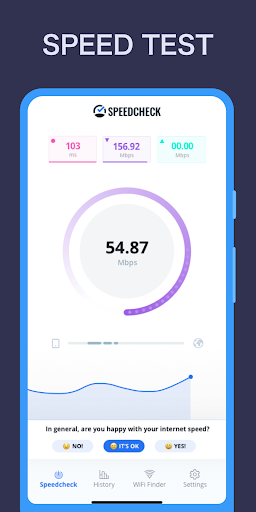
WiFi Speed Test apps are designed to measure the speed of your internet connection, typically in terms of download and upload speeds. They do this by sending and receiving small packets of data to and from a remote server and calculating the time it takes for these packets to travel. The results are then displayed in an easy-to-understand format, allowing users to quickly assess the performance of their Wi-Fi connection.
Key Features
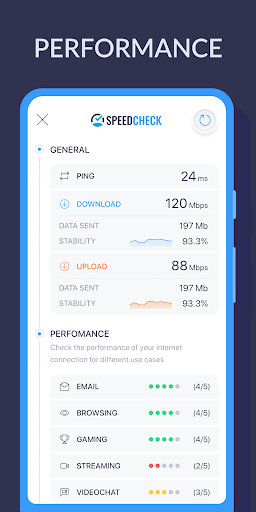
Speed Testing: The core functionality of WiFi Speed Test apps is to measure the speed of your internet connection. This includes both download and upload speeds, which are crucial for determining the overall performance of your Wi-Fi network.
Latency Testing: In addition to speed, these apps also measure latency, which is the time it takes for a data packet to travel from your device to the server and back. High latency can lead to lag and can be a major issue for gamers and those who rely on real-time communication.
Ping Testing: Ping is another important metric that measures the responsiveness of your connection. It is the time it takes for a signal to be sent from your device to a remote server and back. A low ping indicates a fast and responsive connection.
Multiple Server Options: Many WiFi Speed Test apps offer the option to test your connection against multiple servers located in different regions. This allows users to see how their connection performs under different conditions and identify any potential bottlenecks.
Historical Data: Some apps also provide historical data, allowing users to track the performance of their Wi-Fi connection over time. This can be helpful in identifying trends and pinpointing any issues that may be affecting your connection.
Easy-to-Use Interface: WiFi Speed Test apps are designed to be user-friendly, with intuitive interfaces that make it easy for anyone to use them.
Pros
- Quick and Easy: WiFi Speed Test apps provide a quick and easy way to check the speed and performance of your Wi-Fi connection.
- Identify Issues: By measuring speed, latency, and ping, these apps can help users identify potential issues with their connection and troubleshoot accordingly.
- Multiple Server Options: The ability to test against multiple servers provides a more comprehensive view of your connection's performance.
- Historical Data: Tracking historical data can help users identify trends and patterns in their connection's performance.
Cons
- Inaccuracy: While WiFi Speed Test apps can provide a good indication of your connection's speed, they may not always be 100% accurate. Factors such as network congestion, device limitations, and server location can all affect the results.
- Dependency on Server Location: The speed and performance of your connection can vary depending on the location of the server you're testing against. This can make it difficult to compare results from different tests.
- Privacy Concerns: Some users may be concerned about the privacy implications of sending data packets to remote servers for testing purposes.
In conclusion, WiFi Speed Test apps are a valuable tool for anyone who wants to monitor and ensure the optimal performance of their Wi-Fi connection. By providing quick and easy access to key metrics such as speed, latency, and ping, these apps can help users identify potential issues and troubleshoot accordingly. While they may not be perfect, they offer a convenient and effective way to keep your connection running smoothly.